



Welcome back to the tabifolk newsletter!
It’s been one of those weeks where I’ve come across several stories that left me feeling quietly optimistic about the direction accessible travel is heading.
Celebrity Cruises appears to be taking river cruising accessibility seriously from the outset, rather than treating it as an afterthought. At the same time, the latest Aircraft Interiors Expo in Hamburg showcased a number of innovations that could make flying more comfortable and dignified for Disabled passengers in the years ahead.
I was also drawn to a thoughtful first-hand account of exploring Venice as a wheelchair user. It’s a good reminder that destinations often turn out to be more nuanced than their reputations suggest. And in Kazakhstan, Astana has become the first city in the CIS to join the European Network for Accessible Tourism—an encouraging sign that the conversation around accessibility continues to grow globally.
This week’s discussion starter is about those accessibility features that sound promising on paper but don’t quite work in practice. I suspect many of us have encountered an “accessible” hotel room, attraction, or transport system that technically ticks the boxes but still misses the mark.
I hope you find something in this edition that informs, inspires, or simply gives you something interesting to think about. And as always, thank you for being part of this community.
Signing out — @Anthony_TWIA, tabifolk’s Culture & Communications Curator
📱 Tried the tabifolk app?
It’s the easiest way to connect with like-minded accessible travel enthusiasts, ask questions, join discussions, and stay on top of the latest news. Head to the App Store or the Google Play Store and download now!
HOW ARE CELEBRITY CRUISES MAKING RIVER CRUISING ACCESSIBLE?
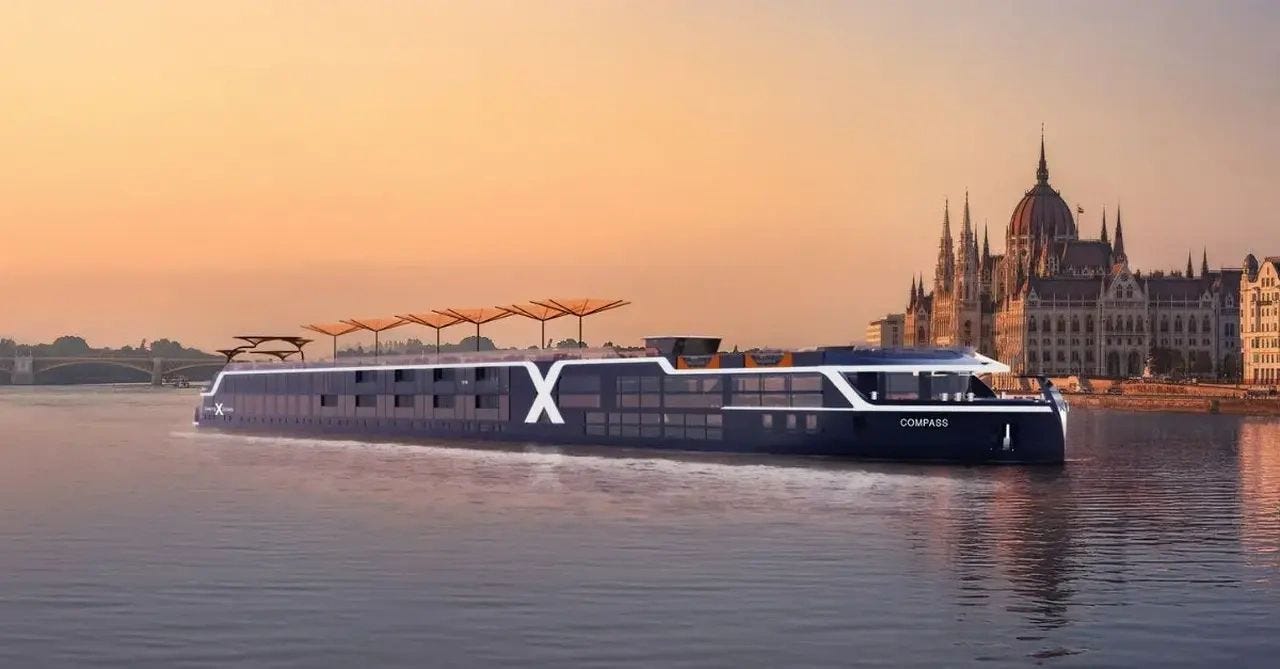
Celebrity is launching Celebrity Compass in 2027 and Celebrity Seeker in 2028, and from what’s been announced, they’ve gone well beyond the usual “one adapted cabin and call it done” approach.
💬 Discussion starter: What is one accessibility feature that looks good on paper but often fails in real life when you travel? It could be an “accessible” hotel room with a poorly designed bathroom, a train station lift that’s constantly out of service, or a tourist attraction that meets technical requirements but is still difficult to navigate. What happened, and what would have made the experience genuinely accessible? Share your story on tabifolk.
AIX 2026 shows accessible air travel has reached a tipping point
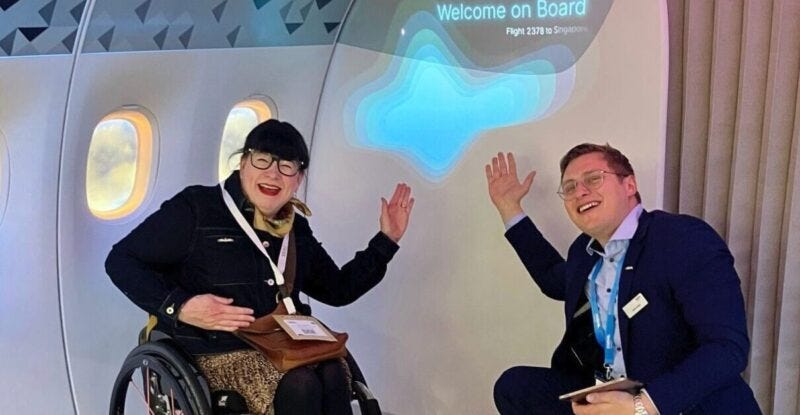
”This year’s Aircraft Interiors Expo (AIX) in Hamburg was awe-inspiring, with a raft of exhibitors proudly displaying accessible air travel solutions that consider Disabled passengers’ lived experiences.”
Let’s get social!
Are you following tabifolk on social media? You can find us on Facebook, Instagram, Threads, and LinkedIn! Your support means a lot — and if you spot a post that resonates, a like, comment, or share helps keep the conversation going.
Exploring Venice as a Wheelchair User Showed Me a Side of the City Most Tourists Never See
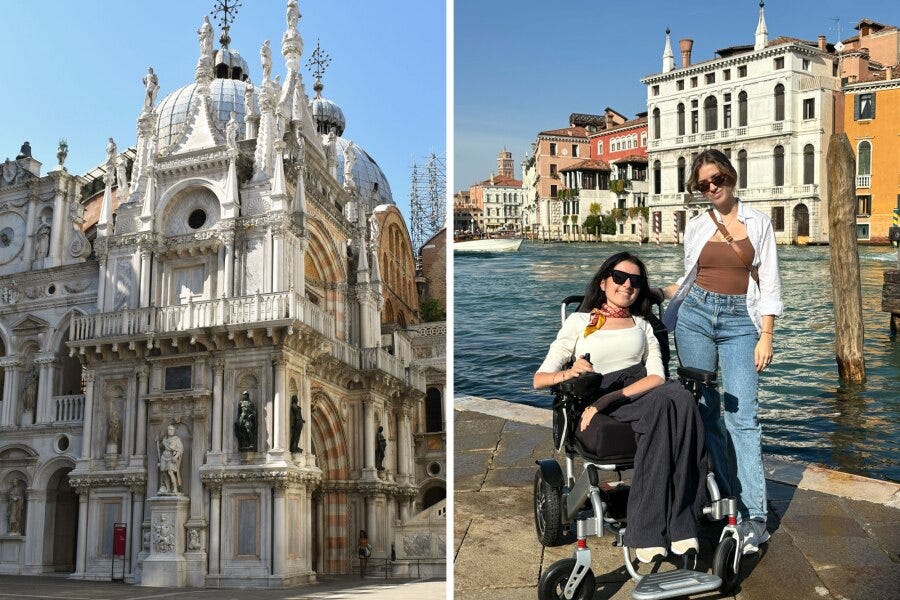
Disability activist Maayan Ziv had been warned about the Italian city’s inaccessibility—but her experience was much more nuanced and rewarding.
Astana (Kazakhstan) joins the European Network for Accessible Tourism, first among CIS cities
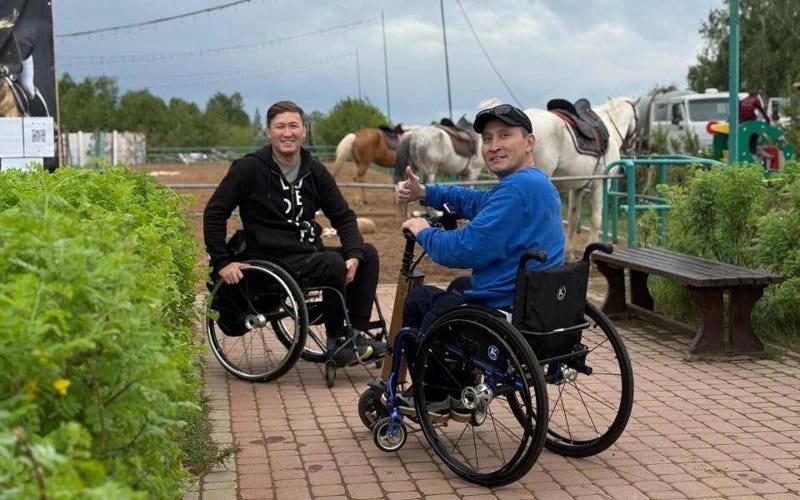
”Astana has officially joined the European Network for Accessible Tourism (ENAT), becoming the first city in the Commonwealth of Independent States (CIS) to be included in the association, Qazinform News Agency reports, citing Astana City Akimat (Administration).”
Can you help? Nienke asked about flying with e-motion wheels
Nienke wrote: “Hi, is there anyone who has a suggestion on how to take e-motion wheels in an airplane? How do you wrap them so do do not get damaged? We are afraid to take them with us on an airplane, so we used to take the normal, simple wheels, but that takes the independence away from the person in a wheelchair.”
And finally, some trivia knowledge…
Did you know that the international symbol of accessibility — the familiar white wheelchair on a blue background — was created in 1968 by Danish design student Susanne Koefoed? It all began as a simple wayfinding icon for wheelchair users, but it has since become one of the most recognizable symbols in the world.
However, accessibility itself has evolved far beyond what that original icon suggests. Today, truly inclusive travel considers sensory needs, cognitive differences, hearing and vision access, and countless other ways people experience the world.
In recent years, some destinations have adopted the more dynamic “Accessible Icon,” showing a figure in motion rather than sitting passively; a meaningful reminder that disability is not about limitation, but much more about movement, agency, and independence.
A fitting thought for travel: sometimes the most powerful journeys begin with a symbol that simply says, “You belong here. You are welcome.”